


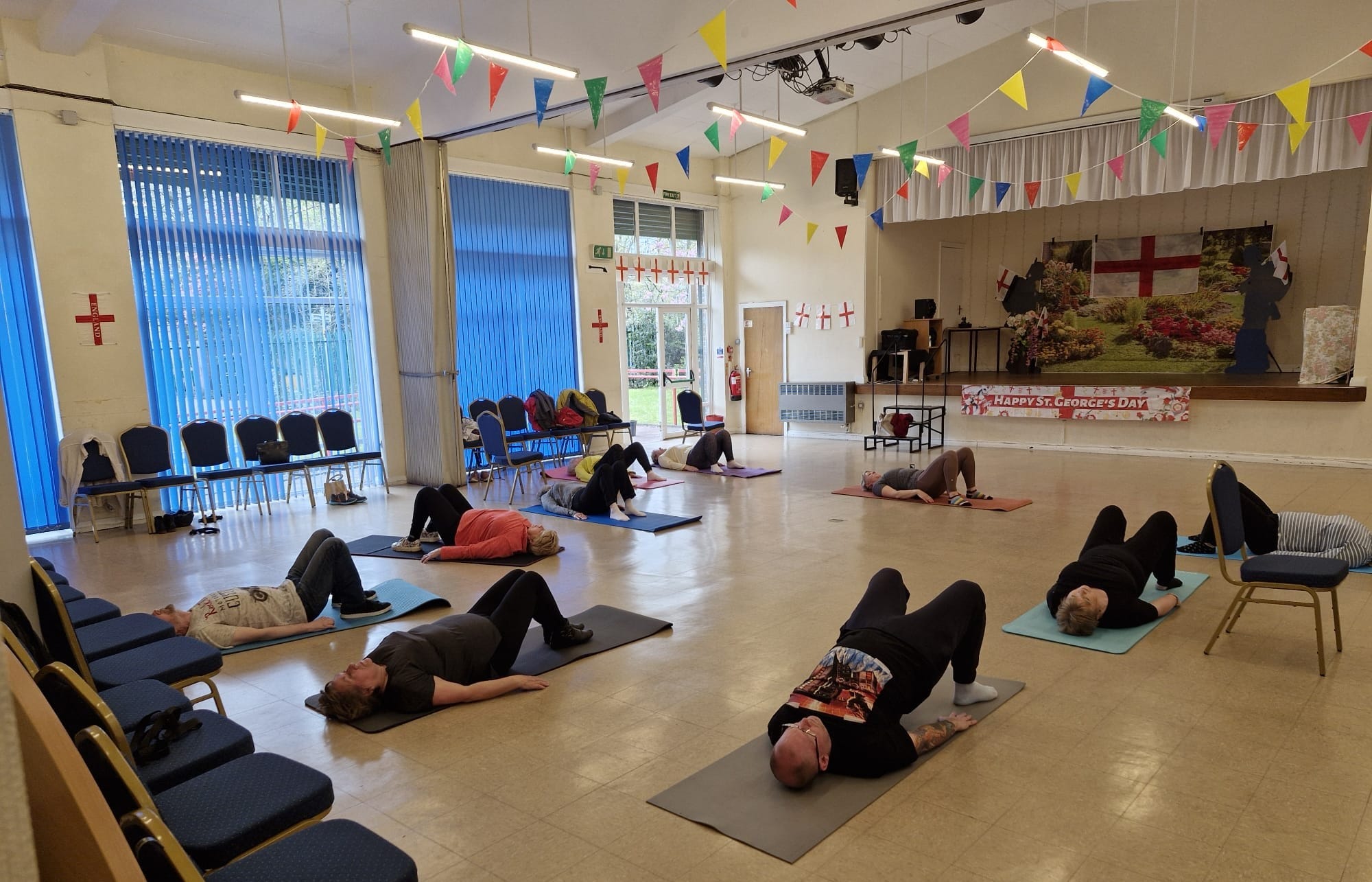
There is a lady who comes regularly to my back care class. She frequently shares her experience and progress with the other class members, and I’m always thankful that she does.
“It got worse before it got better,” she’ll tell the newbies.
She isn’t saying it to sound clever, but because it’s true, and she knows it might help. She remembers that after her own first attendance, she was close to not coming back to the class again, and she doesn’t want others to be in that same position. This is a message that is important.
When my class member first joined, she told me she had bad sciatica. It was pain that ran from her lower back, down through her hip, and into her leg. It was the type of pain that made ordinary life, doing things like driving, sitting at a desk, standing in a supermarket queue, into something to be endured instead of lived.
Like many people do, she had tried the usual things. The first being rest - which many think is the key solution. Then painkillers. And just waiting it out - to see if it will go away of its own accord. None of it had helped.
At her second class, she told me the pain had been much worse after coming the previous week. She was understandably apprehensive about continuing. Her husband had assured her that it was likely due to it being the first time. I’m glad he did. Because then I got the chance to reassure her that this was likely the case.
She came back for the third time - having noted that the pain she felt was just slightly better after her second class. From there, the improvements started to be very noticeable.
Now, she is a regular class member, and one of the champions of the class. She has seen a dramatic reduction in pain. And she wants to let others know about it.
Why sciatica gets worse before it gets better when you start exercising:
Time for some good old fashioned honesty. I think the fitness industry does a disservice to people by promising magical results too quickly. Or by showing all the ‘befores’ and ‘afters’, but skipping the gritty bits in the middle.
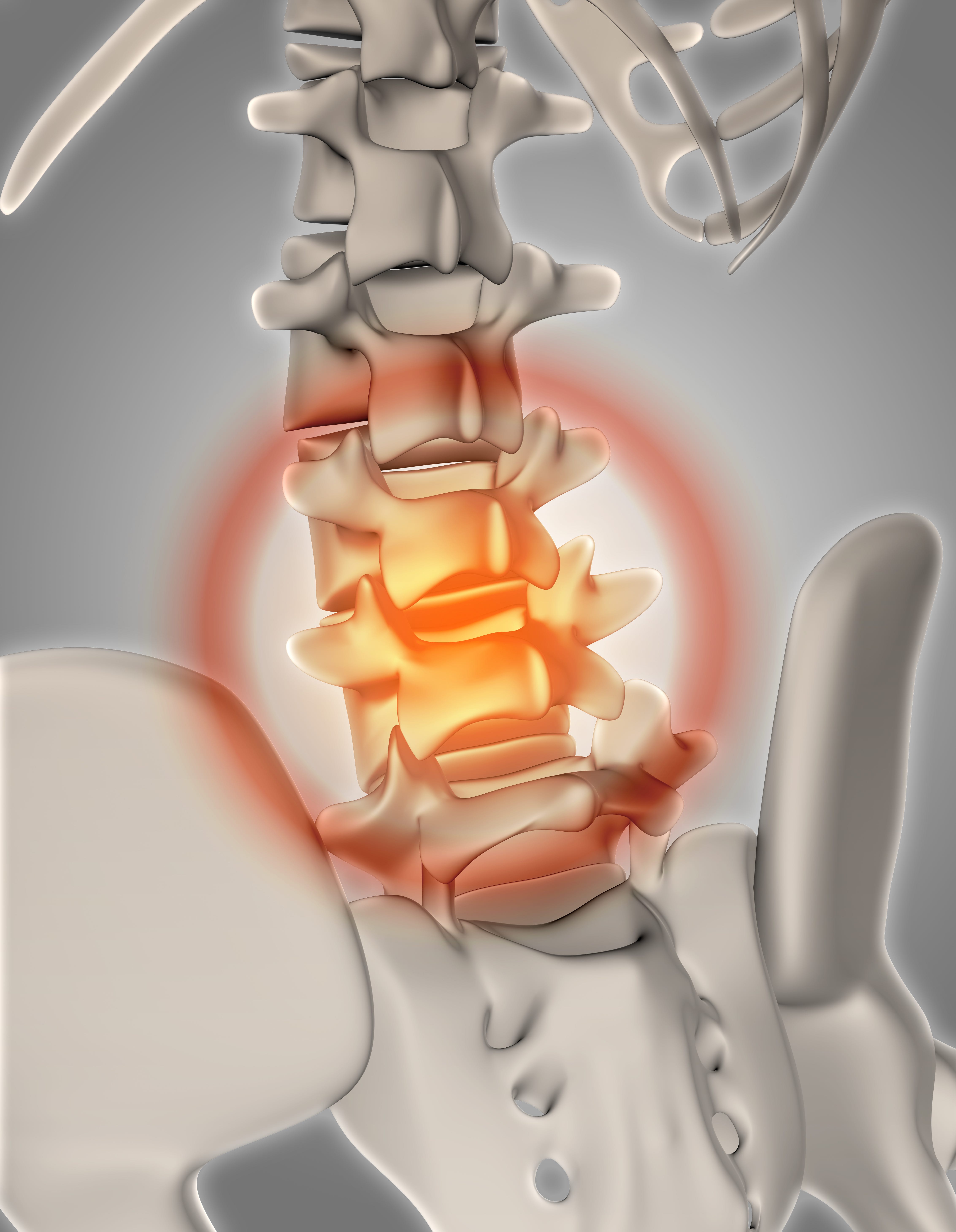
Regarding sciatica specifically, it happens when the sciatic nerve - which runs from the lower back right through the hip, down the back of the leg and to the foot, becomes compressed, ‘pinched,’ or inflamed.
It can happen for many reasons - commonly due to a vertebral disc problem, or degeneration in the spine (which is very common as we age, and there’s not a lot we can do about it apart from address the tissue creep, which I talked about in my article on prolonged sitting and back pain).
Osteoporosis as well can be indirectly linked to sciatica, when spinal fractures, and the vertebrae compression that results, can cause nerve impingement.
The pain can radiate from the back and the whole way down the leg, and it can be extremely severe in some cases.
Sciatic-like symptoms can even result not from the spine, but from issues like hamstring tendinopathy, as I know myself from personal experience. I get sciatica mildly when I have a hamstring tendinopathy flare. I also have osteoarthritis in my spine which is a culprit.
But due to my training, I know what I can do, and what I should be doing when it isn’t flared up.
For people new to purposeful exercise, it’s entirely usual for a deconditioned body to ‘feel it’ after spending time in new movement patterns that it isn’t used to.
When someone has been in pain for a long period, they understandably can spend a lot of time ‘guarding’ themselves against further pain. They do this by avoiding certain positions and doing less. So, when they do new movements, the nerves and tissues are often irritated and over-sensitive. Even with a selection of carefully chosen, appropriate movements.
This doesn’t mean the movement is wrong or shouldn’t be attempted. It is just worth understanding that this is a recognised pattern of how sciatica responds. Especially as it can make all the difference as to whether a person continues or not with the exercise. Exercise that in time, will make the problem and the pain better, not worse.
How sciatica responds to movement:
Movement of course helps to increase blood flow to the muscles and the nerve itself. This is why so many people who attend my back class (bearing in mind they don’t just attend because of sciatic pain) often report that they feel better straight after the class - because blood flow has helped reduce pain.
Over time, the movement and the impacts from it help to relieve the inflammation. Nutrients are delivered to the tissue for repair, and the tiny stresses that are placed upon the tissues as they are exercised also result in adaptations that make them stronger.
The discs in your spine, which act as shock absorbers between the vertebrae, respond to load in a similar way. Movement helps them draw in fluid and nutrients, which supports their health over time, where prolonged stillness tends to do the opposite.
In fact, prolonged stillness doesn’t just fail to help, it can actually starve those tissues of the nutrients and lubrication they need. It is part of why ‘resting’ makes the problem so much worse, the longer it goes on.
Like everything with the body, we ‘use it or lose it’. Where joints and tissues are not used, the body stops sending lubricating fluid there. Why lubricate a joint that isn’t moving?
There’s a nerve-specific component to what is going on, as well. Gentle, repeated movement helps a nerve that’s become a little “stuck” to the tissue around it to regain its ability to glide freely again. This is why targeted movement, not rest, is now the standard recommendation for most sciatica.
The bed rest that used to be advised to help sciatica and low back pain decades ago is very archaic and outdated. We need to kick that idea right into the dust.
Of course - knowing all of this isn’t going to make it any more comfortable to get through that worse-before-better week, but it does help with reframing it. It’s not that your body is telling you to stop, but that your body is trying to help you heal.
It can take courage to tread the path that works:
As you read earlier, my class member returned the week after her first, and the week after that. She only doesn’t come now if she’s on holiday.
I think this is really crucial to the story. When she made the decision to return, she didn’t have any proof it would work. I’d mentioned to the class members it might feel worse if this was the first time they were working their bodies, so she had my word. And her husband had tried to give her some positive encouragement.
But ultimately, this lady just felt she had to try something new. What she’d previously been doing - no proactive movement that was directly targeting her back problems - obviously wasn’t working for her.
Her pain point had become too great not to persist. Of course, she’s now absolutely glad that she did.
Now, she barely notices the pain. There are occasional twinges, and it depends on what she’s been up to. But overall, she frequently reports that she’s seen huge improvements in her day-to-day life.
This is priceless, really. When someone has started being pain-free more than they were in pain - what a dramatic difference to their quality of life.
If you’re feeling pain right now:
If you’re dealing with sciatica, or any longstanding low back pain, and you’ve tried moving and found it made things feel worse initially, I don’t want you to read this and think you simply didn’t try hard enough.
Nor do I want you to think that gritting your teeth through any and all discomfort is automatically what you should be doing. That’s not what this is about, and it’s very important to get proper guidance before starting.
This advice particularly stands if your pain is severe, if you have any numbness or weakness, or if it’s been going on for a long time without you ever being assessed.
Take note of this latter point especially. Whether you’re here to follow my advice, or want to attend a class locally to you, or generally just want to start moving more, if you have never had a professional assessment of the origin of your back pain or sciatica, I urge you to get an appointment booked in right now.
But if you’ve been told by your doctor or medical consultant that movement should be part of the way through for you, since the overall advice for sciatica is to stay active, then I’d like you to take this following advice, based on my class member’s experience:
A short flare in the first week or two of appropriate movement is a known, common pattern, not automatically a red flag:
It’s most likely that your body is responding to the activity and sensory input that it hasn’t received in a while.
Most cases of sciatica truly do improve substantially within four to twelve weeks with the right conservative approach:
This is an evidence-backed timeframe, not just me trying to give you hope. If you’re a week or two in, you are not yet in a position to assess whether it’s working.
The exercise needs to be the right kind:
Doing it alone, from a random video you found with no context, so often doesn’t work as well as doing it within a proper class or purposeful programme. It’s generally a mix of movement needed, rather than “one perfect exercise”, and this mixture needs to practised over time (though please see the note further down regarding ‘directional preference’).
If it’s getting worse past that initial early timeframe, or you notice new numbness or weakness, then you need to go back to your doctor and be reassessed:
Persistence isn’t the same as ignoring your body. You should not push through regardless if your symptoms get dramatically worse, or new symptoms occur.
Movements that can offer relief:
In the meantime, I can offer you a couple of temporary relief options. But remembering what I said about “one perfect exercise” not being the answer. Most sciatica cases need a more holistic approach with several exercises (for example in my case, due to hamstring tendinopathy, I have to do hamstring strengthening exercise as part of my overall routine).
Before you try these, you need to do a quick self-test. Notice what your body is already saying to you.
Does sitting or bending forward ease the pain, or make it worse?
Does standing or gently arching your back ease the pain, or make it worse?
Whichever direction the pain gets worse or better is going to make your decision as to which exercise to try. In physiotherapy, this is called ‘directional preference’ and is based on the McKenzie method.
Option 1: If bending forward eases the pain (flexion relief):
Knee-to-chest stretch:
>Lie on your back and gently draw one knee up toward your chest, hugging it there for 20-30 seconds, then switch sides. This opens up the space around the lower spine, which tends to help when standing or arching backwards is causing the aggravation.<
This pattern is often associated with spinal stenosis or facet joint irritation, where extension (arching back) narrows the space that the nerve passes through, and flexion (curving the back) opens it back up.
Option 2: If standing or arching back eases the pain (extension relief):
Prone press-up:
>Lie face down and place your hands under your shoulders. Gently press your upper body up, letting your hips stay on the floor, like the early phase of a yoga cobra stretch. Hold briefly, then lower down with control.<
This pattern is often associated with a disc-related cause, where prolonged sitting or bending forward increases pressure on the front of the disc, and extension can help ease pressure off the nerve.
If you’re finding this helpful, you’ll probably know someone else who also will! Please share!
An important caveat: These options only work if you are going off what your body is telling you in the directional preference test. If trying either movement makes the pain worse, or sends it even further down your leg, stop immediately (see my note earlier about any numbness or weakness needing a proper assessment).
Going back to the lady in my class with sciatica, she is now one of the biggest advocates for the class. I often spot her speaking to new members to let them know how life has changed for her.
This is amazing, and exactly why I do what I do.
Before you go:
Whether you are an individual or an organisation, if health and wellness is important to you, then please subscribe here for free. Expect a weekly, informative article along my themes of strong backs, strong bones, strong muscles - and follow me for notes with useful daily tips.
Share for rewards:
I have recently set up a reward scheme for referrals! Freebies at different tiers when you share! Please participate and start sharing Becoming Unbreakable to gather referrals for rewards (the first tier needs only 2 referrals!).
Please leave a comment:
Did you enjoy this article? Was it helpful? I really want to hear from you. Please don’t go without leaving a comment - I’d like to get to know my readers better!
Disclaimer:
This content is for educational purposes and isn’t a substitute for medical advice. I am not a clinician. Please check with your doctor before trying new exercises or taking health advice on this page; especially if you have osteoporosis, a diagnosed condition, or any concerns about your health.
Great article. I'd love to add from my own experience that seeing an experienced chiropractor can be very helpful in easing the pain and getting back into movement.