

When I got my bone scan referral, I was fortunate. I had a student doctor the day I contacted my surgery about my risk concern.
I was 52, and considering HRT due to menopause ‘madness’. Okay, I am being flippant - but let’s just say I felt like I was losing my brain.
(Quick note: HRT gave me my brain back, yay!)
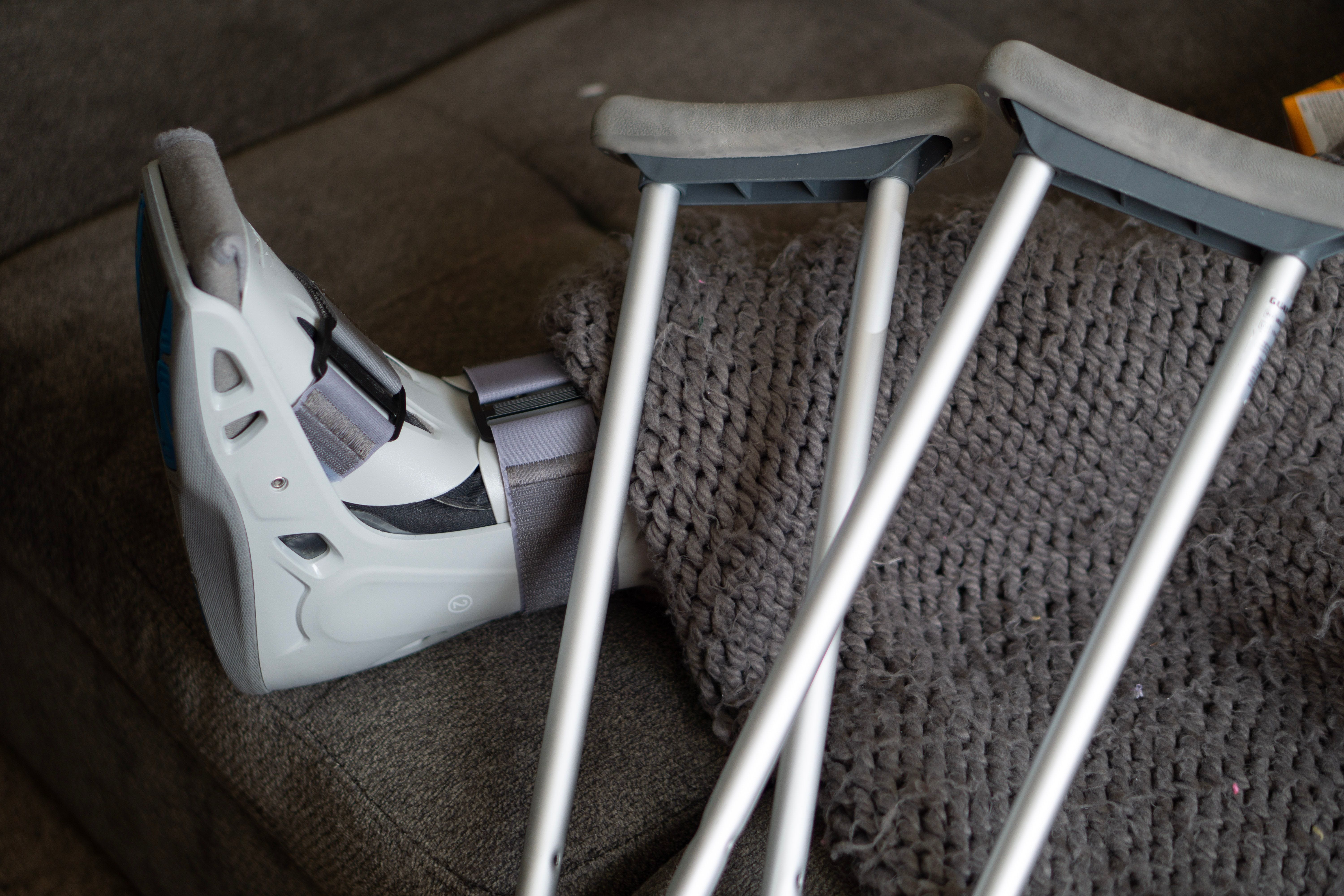
I also had a suspected foot fracture. If you’ve read my free guide on bone health myths, you’ll know that I twisted my ankle in a STEP class, and while the movement was minor, the injury was substantial.
I was aware that HRT can stabilise bone tissue loss, and since I believed I was at risk, with osteoporosis in the family (there is a strong genetic link), I was getting in touch with my GP to look at my options.
My lucky day
As I say, I was given an appointment with a student GP. So, I brazenly requested a DEXA scan because I wanted an ‘assessment’ of my bone health, before making a HRT decision.
Based on the familial risk, he referred me. It’s a good job, because it turned out I was right to be concerned - the result came back that I had osteopenia, with a -1.3 overall T-score (although, I have since found out that the T-score doesn’t tell you everything, and there are other metrics that we can look at, as I discovered in this Substack article).
If it had been my own GP I’d have seen on that day, she would not have referred me for the scan. She actually told me that herself before looking at my records, admitting to a systemic gatekeeping issue she probably shouldn’t have been. True story.
What typically happens…
Most women - since we proportionately suffer far more from low bone density - do not get as lucky. The shoddy thing about osteoporosis is that it is usually diagnosed at a stage when medical management through prescription medicine appears to be one of the only treatment options.
Not only does it tend to be diagnosed when treatment (as well as reversal) options become limited, data from the Royal Osteoporosis Society tells us it is often when multiple fractures have already occurred.
I know from emails I’ve received from women, that once multiple fractures have occurred, life can be very difficult indeed. Severe pain, loss of independence, body and posture deformity, and loss of height are just some of the factors that make their lives miserable.
Aince I began writing and educating on bone strength and health, and launched my free guide, I have had many emails - all telling a similar sad story.
We certainly need to get assessed sooner, if any risk factors apply.
Before your next GP appointment:
If these apply to you, here are a few things worth mentioning to your doctor:
A family history of osteoporosis or fractures
An early menopause or surgical one
A previous fragility fracture (a break from a fall from a minor event)
Long-term steroid use
A BMI that’s been persistently low
Long term smoking or excessive alcohol use, especially if combined with any of the above
None of these mean you have osteoporosis. They’re simply worth speaking about, because a GP can only act on what they know to ask about. Remember, I got referred because I asked, not because anyone prompted me to.
Please do share this post if you’re so far finding it helpful, as others might, too.
Menopause and bone loss is a long established fact
In the first decade after menopause, women lose bone tissue at roughly the rate of 1.5 to 2.5% a year. This is a well-documented acceleration and the health systems know about it. Yet still, by the time most women have a DEXA scan, it’s an osteoporosis diagnosis they get - not an osteopenia one.
One of the things we need to be doing is educating women to be more aware and sooner. Whether their doctor will listen is another matter (and I’m saving my thoughts about this for another article) - but any woman in her 30s or upwards should be doing something now about her bone health.
And what about the fellas?
I don’t want to leave them out. Even while men are far less likely to get osteoporosis, with around 80% of cases being women, they can still be diagnosed with it.
Because of the fact that the medical profession also assume them not to be at high risk as women, they can slip through the net even more easily.
At least half of men with osteporosis have an underlying condition which causes it, and the Royal Osteoporosis Society produce some good information on the topic to help men learn more.
One in five men over the age of 50 will break a bone due to osteoporosis, so the figure is not insignificant.
Get started on prevention, scan or no scan
Multiple recent meta-analyses (2025) confirm that resistance training measurably improves bone mineral density at the spine, hip, and femoral neck in postmenopausal women, with high-intensity training three times a week showing consistent benefit.
So what this means is, if you know yourself to be currently reasonably healthy - don’t wait for a scan, or a diagnosis, to begin a training programme that protects your bones. Honestly, you can’t afford not to.
It’s a well known statistic that one in two women over 50 will suffer a fragility fracture during their lifetime, as I talked about in my article about osteoporosis being an insidious disease - and if you have already fractured, as explained above, your options are thin on the ground.
I’m not a doctor, and I can’t comment on whether anyone’s individual treatment plan is right or not, but I am a prescriptive exercise coach - I’m qualified to train people with osteoporosis, and to have doctors refer them to me for exercise programmes.
And I urge you - please just start training. In which case, you may never need a scan - never mind a scan that comes too late.
Before you go:
Whether you are an individual or an organisation, if health and wellness is important to you, then please subscribe here for free. Expect a weekly, informative article along my themes of strong backs, strong bones, strong muscles - and follow me for notes with useful daily tips.
Share for rewards:
I have recently set up a reward scheme for referrals! Freebies at different tiers when you share! Please participate and start sharing Becoming Unbreakable to gather referrals for rewards (the first tier needs only 2 referrals!).
Please leave a comment:
Did you enjoy this article? Was it helpful? I really want to hear from you. Please don’t go without leaving a comment - I’d like to get to know my readers better!
Disclaimer:
This content is for educational purposes and isn’t a substitute for medical advice. I am not a clinician. Please check with your doctor before trying new exercises or taking health advice on this page; especially if you have osteoporosis, a diagnosed condition, or any concerns about your health.