

Here’s the answer to the title in a nutshell: osteoporosis is an insidious disease because it is a silent condition. You often don’t know you have it until it’s too late.
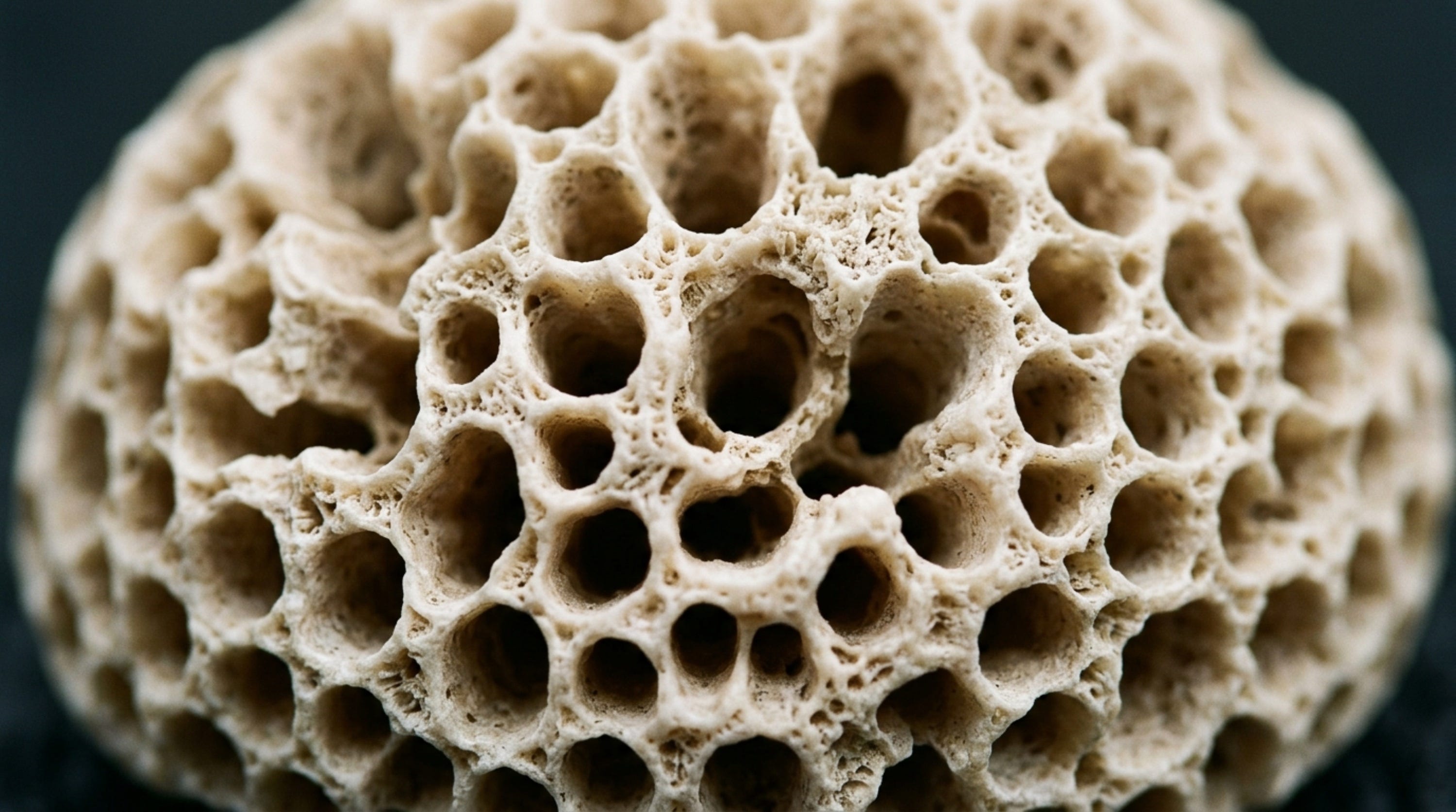
Osteoporosis is often known as ‘brittle bone’ disease. It occurs when we lose bone tissue. There is no pain associated with it, aside from when it’s very advanced and is causing other complications in the body, such as fracture of the spine causing pain.
You won’t notice changes in your health as a result of having low bone density.
There are no symptoms in the early stages, when it matters the most to catch it.
For most people, they know they have the disease when they have a fracture which may come about from a very minor incident. Or even worse, they will know when they break a bone.
80% of people with osteoporosis are women. The key reason being our different hormonal constitution. Menopause, when oestrogen drops, is a major time of bone density loss.
As well, women tend to have smaller, thinner bones than men to start with.
One in two women over the age of 50 will suffer a fragility fracture during their lifetime, but by the time it happens, they are already often in advanced bone disease.
This means if you are female and reading this, you absolutely must take note - because there is a strong chance that it will happen to you.
Men can have osteoporosis too, though. Since it is a lot rarer, they do tend to get missed from screening - and for that reason, it can mean they are even more at risk of going unnoticed until in very advanced stages.
According to the World Health Organisation, osteoporosis is a serious global health concern. Yet, it is a disease that in many cases, is largely preventable - even while being so prevalent.
Why is it such an issue?
Part of the problem is that people view ‘brittle bones’ as an ‘old person’s disease’, not understanding that the work to prevent it happening actually needs to be done decades before.
People find it hard enough to pay attention to their health for the things they can notice changing, never mind the things they can’t. So even if they are aware that low bone density may come to haunt them when they are older, they won’t act now to prevent it.
There are also people who think they are doing the right things but might not be quite hitting the mark. This was me before I actually got diagnosed with the stage that occurs before osteoporosis sets in - osteopenia (which is now reversed).
This is the exact reason why I created my free ebook The Bone Health Blind Spot, which explains a little more about what osteoporosis is, and when it comes to exercise, what does and doesn’t work for bones, and for prevention.
Your bones need you to be their advocate - because they only speak for themselves when it’s often too late.
If you enjoyed reading this, please subscribe here for free. Expect a weekly, informative article, and notes with useful tip and shares.