


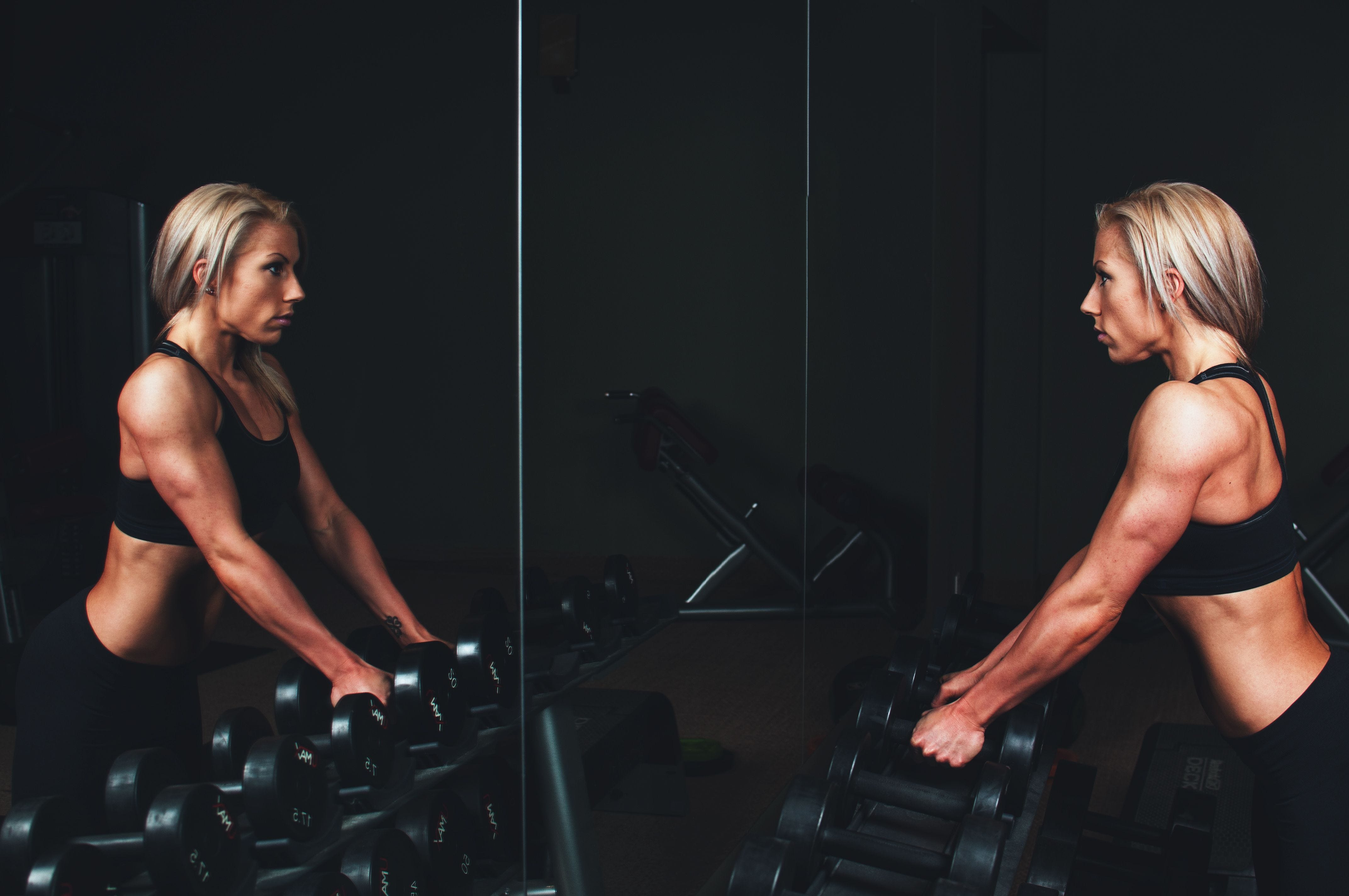
I have something to admit. Decades ago, I used to say, “Urgh, I don’t think women should look muscly. It’s not feminine.”
What an idiot I was.
I didn’t know then what I know now: muscle is medicine. It gives us strength, but it is also essential to our wellbeing and to a longer life.
I found that out when I qualified as a personal trainer, and I became the person challenging the misconceptions.
Several female clients have said to me, “I want to get strong, but I’m scared of getting bulky.”
I gently explained that a couple of all-round training sessions with me each week were not going to turn them into Arnold Schwarzenegger.
For too many years, the fear of “getting bulky” has put women off strength training. That idea needs to change.
Convinced to become our own enemies
Social conditioning and body image pressure have convinced women to avoid the very thing that best supports our health: building muscle. And we fell for it. How bonkers is that?
It's well documented, too. A 2025 review traces how cultural norms and stereotypes have discouraged women from resistance training for decades, including the fear of becoming "too bulky".
Long-standing patriarchal ideas of “feminine beauty” (staying small, staying thin, looking waif-like) do not line up with what is healthy for women. Even fitness magazines go along with it, publishing articles on “sculpting” and “toning” (bleugh, pass me the sick bucket).
There is no such thing as “toning”. Or “sculpting”. The definition people are after is muscle, visible because there is less body fat covering it. Those magazines are simply afraid to name it: building muscle.
To actively avoid building muscle is to actively work against our own health.
Why muscle matters so much
A 2025 review titled “Evolution of resistance training in women: History and mechanisms for health and performance” (Kraemer, Fragala and Ratamess) explains that women’s adaptations to resistance training are mediated largely by the neuroendocrine and immune systems.
In plain English: building muscle isn’t just about moving heavy objects. It is tied into how our hormones and immune systems respond and adapt.
Strength is also tied to how long we live. In a UK Biobank study of around 71,000 adults, those with the highest grip strength had roughly a fifth lower risk of dying from any cause than those with the lowest. The best results came from having both high cardio fitness and high strength: roughly half the risk of those who had low measures of both. This is an association, rather than proof of cause and effect, but the pattern is consistent.
For women specifically, a US study of more than 412,000 adults found that regular muscle-strengthening activity was linked to a 19% lower risk of dying from any cause compared with inactivity, a bigger benefit than the 11% seen in men. Yet only about one in five women reports doing any regular muscle-strengthening exercise at all, according to the Kraemer review.
So no, I’m not anti-cardio (it’s important!). But I’m anti ‘cardio instead of strength’. We need both.
Muscle also protects us from injury. It doesn’t just move our limbs; muscles work together to stabilise and balance the body.
One of the big concerns as we age without strength training is sarcopenia. This is a diagnosed muscle disease, identified when muscle strength and quantity fall below set clinical thresholds (European consensus). We all lose some muscle as we age; that’s normal. Sarcopenia is something more, and it is linked to a higher risk of falls, losing independence, hospital stays and earlier death. Not everyone gets it, but the risk rises with age, and inactivity makes it more likely.
The good news is that neither ordinary age-related loss nor sarcopenia is a one-way street. Resistance training can improve strength and function, and to a degree muscle mass, even in people in their 80s and 90s. In one controlled trial of nursing home residents with an average age of 87, ten weeks of resistance training more than doubled muscle strength. It is never too late to start, but the sooner we do, the more there is to build on.
Muscle matters for our bones too. When a strong muscle contracts, it pulls on the bone it’s attached to, and that mechanical load is a signal for the bone to adapt and strengthen.
Osteosarcopenia is where osteoporosis and sarcopenia exist together, and it is linked to falls, fractures and poorer health outcomes, including a higher risk of death. Resistance training is one of the best-evidenced things we can do to support both bone and muscle. A 2025 meta-analysis of 17 trials in postmenopausal women found that it beneficially influenced bone density at the spine, femoral neck and hip.
It isn’t just “nice to fit in if time allows”. It’s a priority.
Muscle as the metabolic engine
Muscle is metabolically active tissue, though let’s keep this in proportion. Dr Andy Galpin says we birn an extra 6 to 10 calories per pound of muscle per day. Useful, but not magic, whatever the gym bros say.
The bigger story is what muscle does with the fuel we eat. Skeletal muscle accounts for roughly 80% of the glucose uptake that insulin drives after a meal (DeFronzo and Tripathy, 2009), which is why keeping it matters so much for blood sugar control. Lose muscle, and the body finds it harder to manage that fuel, whatever the scales say.
It’s ironic that, in a culture which treats “burning calories” as the number one goal of exercise (not a view I share, as you’ll probably guess), women are being sold the wrong goal. The right one is being strong; metabolically healthy and hard to break.
And this is where endless, exhausting cardio works against us. When we cut calories and lean on cardio alone, we tend to lose muscle along with fat.
In a 2025 study of 304 men and women on a calorie-restricted diet, resistance training was the only approach that increased lean mass while fat came off. The people who did no exercise lost nearly 3 kg of lean tissue, and the cardio group lost a little too. Less muscle means less strength, poorer blood sugar control and weaker bones.
Then there’s the fuel. Researchers have linked a lowered metabolic rate to what’s called low energy availability, where exercising women aren’t eating enough for what they do.
Dr Stacy Sims, who specialises in female physiology, argues this isn’t confined to elite athletes. Many of us grew up on “calories in, calories out”, and under-eating, she says, makes the body hold on to fat rather than release it.
Cut the calories, add the cardio, skip the weights, and we risk working against our own bodies.
You won’t become Arnie by getting strong
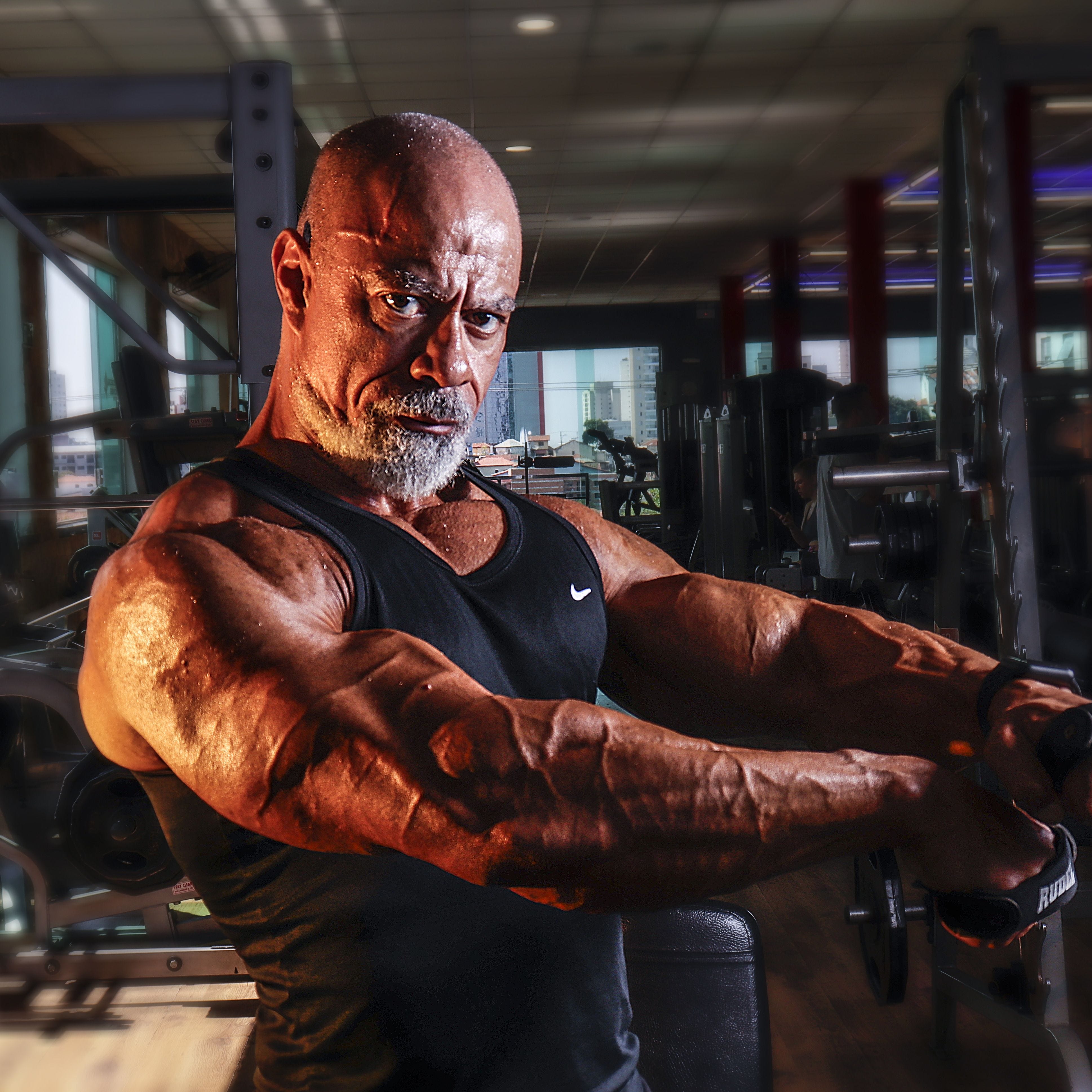
There are many women who love looking muscular, and women who love bodybuilding. Yes, they look “bulky”, because they train for it, with a dedication most of us will never match.
The same is true of male bodybuilders. Yet plenty of regular gym-going men don’t look bulky either, and because women have at least 15 to 20 times less testosterone than men (Kraemer et al., 2025), we put on less muscle size from the same training.
The average woman fitting in two or three resistance sessions a week, with strength as her goal, will see many benefits. She will not be auditioning for a remake of Terminator any time soon.
Most general health training also relies on compound movements that work several muscle groups at once, like a kettlebell swing (legs, hips, arms, shoulders), rather than isolated movements like a bicep curl, which targets just the biceps. Bodybuilders, by contrast, add plenty of isolation work aimed at growing specific muscles.
Heavier weights for fewer reps is the classic recipe for strength, and a lot of the early gain comes from your nervous system getting better at using the muscle you already have, not from adding size.
Building visible size is a different project altogether: lots of training volume, sets taken close to failure, plenty of food to fuel it, and years of consistency.
Let’s kick some ass!
I often think about this. When I’m old, my worst case scenario is someone else wiping my bum, helping me do simple chores and giving me a bed wash.
Instead, I want to be able to cook for myself, get in and out of the bath, carry my shopping home, and even lift my cabin bag onto the rack above my head on the plane.
I want to be a badass granny.
Strength training doesn’t guarantee any of that; nothing does. But it stacks the odds in my favour, and it’s a decision all of us can make now.
Perceptions of strength training for women are, thankfully, changing, but there is still work to do, and all of us have a part in it.
When I see strong women now, women with visible definition because they train for strength, I think: “Yessss! You go, girl. You’re an amazing role model, and I hope other women follow your lead.”
Because other women need to. We also need to big up the women who are doing it, the ones challenging the wispy waif stereotypes.
Saying “women shouldn’t have muscle” is literally no different from saying “women shouldn’t have nutritious food.”
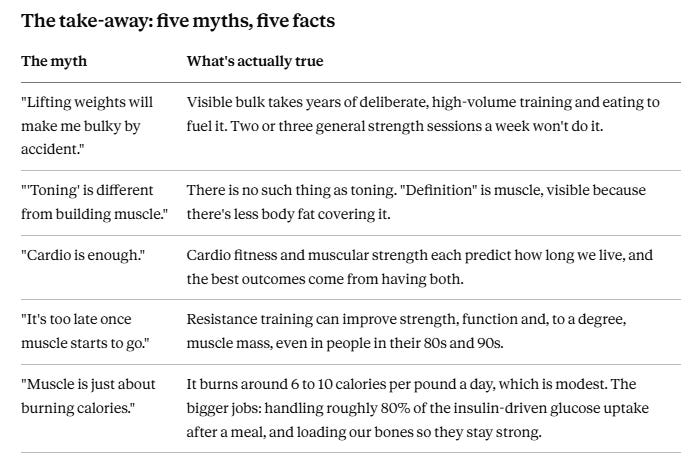
Five myths and facts about ‘getting bulky’:
Some homework:
Next time you’re at the gym, pick up something slightly heavier than you’d normally reach for. Lift with intention, and really aim to feel the movement as you perform it. That’s all I want you to start doing.
Next in the series: Part 2, on why stretching alone isn’t the answer for your back.
Want to become unbreakable?
Exciting news!
Coming in early 2027 is my 8 week course, Become Unbreakable: Future-proofing Your Body for Women After 40. No obligation to be on the course by joining the early bird waitlist, but if you decide it’s for you when the time comes, you’ll be eligible for my early bird offers and bonuses!
Disclaimer:
This content is for educational purposes and isn’t a substitute for medical advice. I am not a clinician. Please check with your doctor before trying new exercises or taking health advice on this page; especially if you have osteoporosis, a diagnosed condition, or any concerns about your health.
Such an important article, Andrea!
YES, YES Andrea! The skinny trend that's back 'in' is so scary. We were sold the idea for decades that 'smaller' was the goal. Meanwhile, nobody warned us this could cost us the muscle we need to thrive throughout our lives. Keep preaching this message!!! 💪💪💪