


There are some things that are obvious when it comes to bone health, and others that are less obvious.
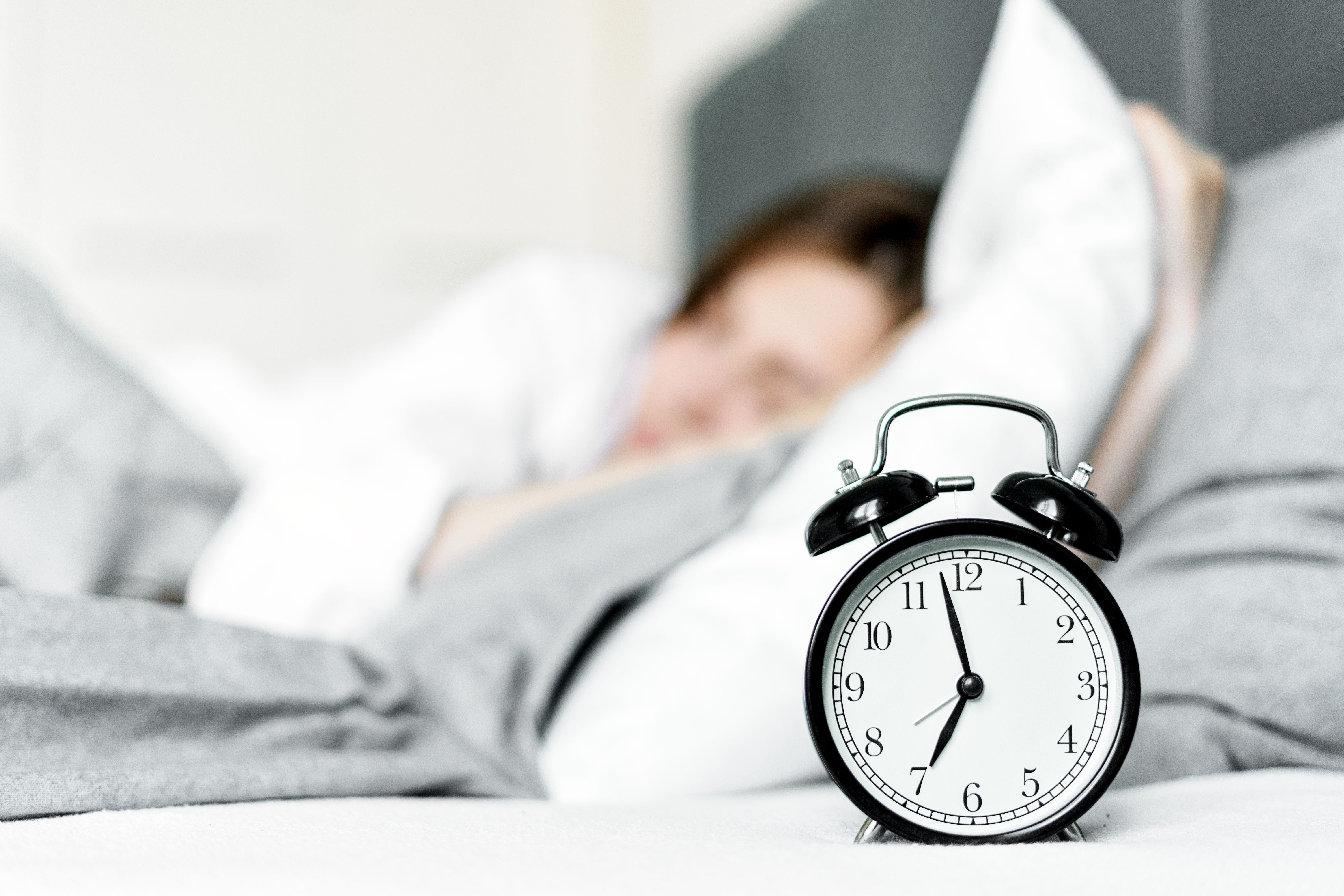
One very powerful secret ingredient in our bone health armoury is getting consistent, quality sleep.
I used to teach my PT clients the whys and hows of good sleep habits, because sleep impacts on so many aspects of health.
Unsurprisingly, there’s also a link between bone health and poor sleep, too.
A study on aging carried out in England found that getting less than 6 hours a night, or more than 9 hours a night, is associated with higher osteoporosis risk and lower bone mass density. The balance between bone formation and bone breakdown is disrupted by bad sleep.
Not a revelation, really. I mean, consistent poor sleep (including sleep that is influenced by alcohol or sleeping tablets - making it ‘sedation’, rather than ‘sleep’) is linked to poorer health outcomes overall.
When sleep functions are disrupted, everything is…
There are three key ways in which sleep affects our bones, and they are also the ways in which sleep affects other aspects of our health. They are via disruptions in our circadian rhythm, our hormone regulation, and our cellular repair (with cellular repair being one of the key functions of sleep overall).
A growing body of research including night shift workers as subjects, is showing us that messing with our circadian patterns also impacts upon on our bones. We know already that even mild disruptions to our ‘body clocks’, like jetlag from flying or having consistent late nights on weekends, can cause health issues.
Hormone dysregulation is also a well known result of poor sleep. It impacts our appetite, our cortisol levels, and even reproductive function. Since healthy hormone regulation is also important for healthy bone tissue - you guessed it, consistent hormone imbalance can play havoc with our bone growth and repair.
As well, it is during deep sleep that our bone tissue gets repaired - as cellular repair occurs throughout the body at this time.
With all this in mind, can you imagine what the body of a menopausal woman is going through?
She is in the middle of a hormonal whirlwind, with oestrogen tanking, and her sleep is disrupted anyway because of that. Plus, she is likely to be sleep deprived either because of the hormonal imbalance, or the stress of dealing with menopause, or with hot flashes, or all of them.
The problems are compounding, so it is no wonder that menopausal women are most at risk of having low bone density and becoming osteoporotic.
So, how do we try and get better sleep?
It can be a difficult one to tackle because many people with very disrupted sleep are so anxious about bedtime that this in itself imposes a hurdle upon getting a restful night. However, these are my suggestions as a starting point:
Speak with your doctor to see if you have any deficiencies that might be impacting upon sleep, or if there is another physical cause. Dr Stasha Gominek says that vitamin D deficiency can be a key cause of poor sleep (but get tested before taking any supplements willy nilly). Of course, menopausal imbalances may also be the root cause - ask your doctor about options.
Avoid sources of stress before bedtime or during the evening. This includes getting involved with social media arguments on your phone and watching anxiety-inducing documentaries. In fact, turn your phone off at least an hour before bed to avoid the ‘blue light’ impact (which will awaken your brain).
Get your circadian rhythm into check. Do this by getting out into the daylight within the first 20 minutes of waking, perhaps having your morning cuppa on the doorstep or in the garden. Get an evening walk in as dusk is falling. Keep the lights dim in the home before bed, and as above, avoid the blue light of devices before bed.
Eat regular, protein-rich meals and stop eating at least 3 hours before bed. Protein is great for bones, for satiety, and for muscle growth and repair. It will keep you full and the older you get, the more you need it. Not having a full stomach before bed means rather than your body having to digest food during your sleeping hours, it can simply do the repair job it needs to do.
Avoid alcohol at night time. I know, I know - you think a glass of wine helps you sleep. But it really doesn’t. It sedates you. Your brain doesn’t go into the deep restorative sleep it needs, and you essentially become sleep deprived while believing you’re sleeping. Alcohol also raises cortisol levels the next day, which contribute to the poor sleep pattern even further. If you want to keep booze in your life, go for a weekend lunch out and have a glass then, instead of in the evening.
If you wake during the night - DO NOT LOOK AT YOUR PHONE OR THE CLOCK! The block capitals are necessary. I can’t stress how important this is. Avoid the temptation to restimulate your brain, and avoid the temptation to check the time. Instead, try some deep breathing. Imagine a dark pool that you are sinking into, and keep breathing yourself further into the pool. See if the relaxation can help you switch back off.
I hope this helps. It’s my mission to help more women get their bone health in check before they discover their bone health is already impaired. Sleep is more important than we realise for our bones, so it’s worth working on.
If you enjoyed reading this, please subscribe here for free. Expect a weekly, informative article, and notes with useful tip and shares.
Exactly, the basic thing but nessesary we usually underestimate!